
Empowering the Middle Office, Converging for Growth | Sellers Union Holds Annual Reporting Meeting on Functional Departments Empowering Business Operations
On March 5, 2026, Sellers Union convened its annual reporting meeting on functional departments empowering business operations. A total of 180 participants, including Group partners, management personnel at the Deputy Director General level and above, as well as general managers and senior executives from ecosystem companies, attended the meeting on-site in Ningbo, Yiwu, and Hangzhou, connected via video link. Heads of various functional departments focused on dimensions such as "Service, Empowerment, and Empowerment+" to systematically review their key work in injecting momentum into the front-line business through professional capabilities and supporting the Group's high-quality development. The meeting was presided over by Meng Xianglong, General Manager of the Market Research Department.
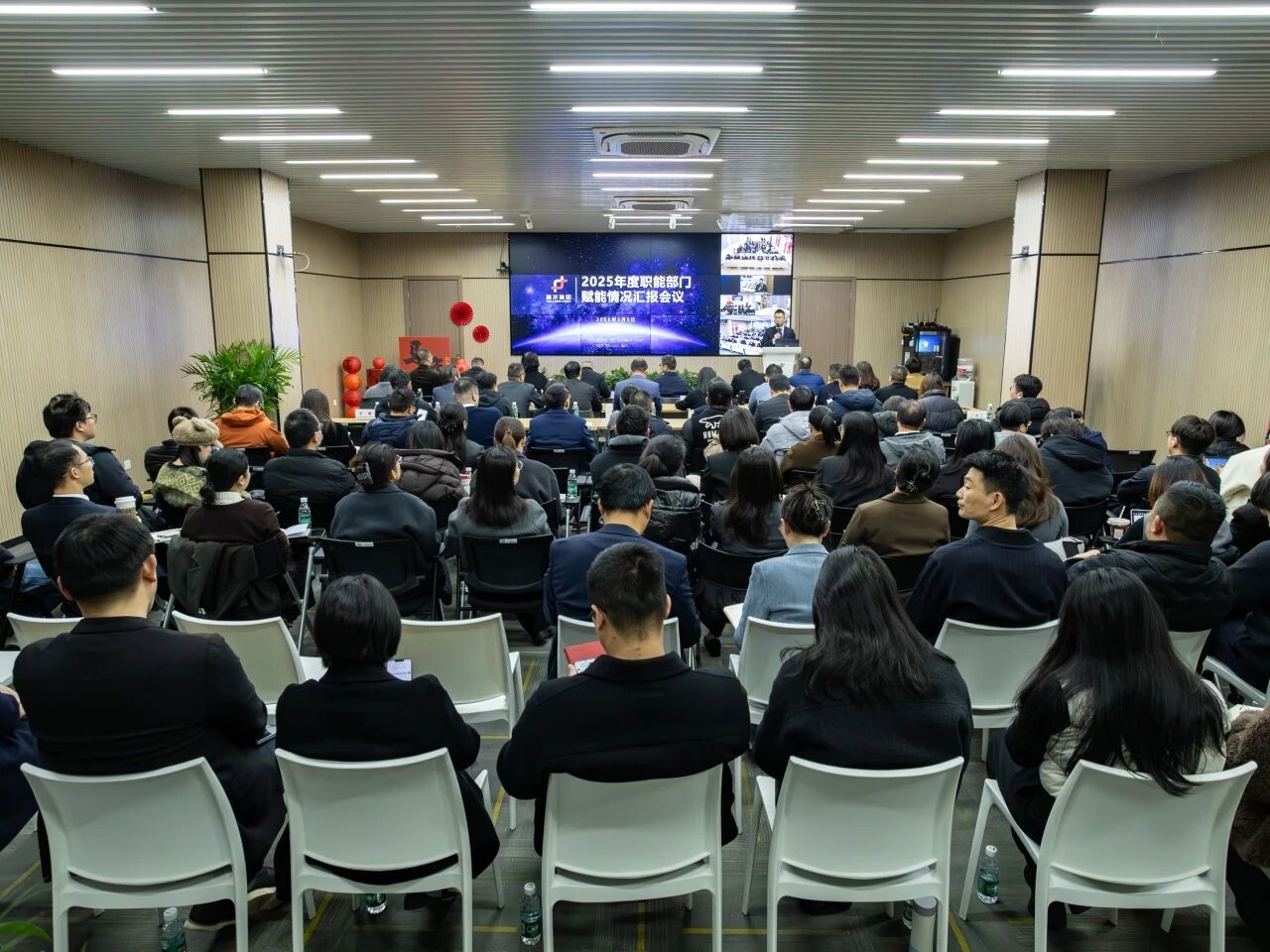
Against the backdrop of the Group's business scale reaching the 2-billion-US-dollar level, maintaining an annual growth rate of around 20%, and forming three core tracks—"General Trade, Cross-border E-commerce, and Ecosystem Expansion"—the professionalism and comprehensiveness of the functional middle office have become a critical foundation supporting the Group's rapid growth. The coexistence of multiple tracks means that the front end faces varying business entities, market environments, customer structures, compliance requirements, and competitive logics. A single type of functional support can no longer meet the needs of such complex scenarios. The functional middle office must possess both "deep diving" and "broad coverage" capabilities: it must deeply understand the business pain points of each track to provide customized professional service solutions, while also maintaining a global perspective to achieve cross-track resource sharing and coordination in dimensions such as finance, risk control, human resources, market development, digital intelligence, and administrative services. This combination of dynamism, professionalism, and comprehensiveness determines that the functional middle office is not merely a logistical support for business operations, but also a booster for strategic implementation, an activator of organizational vitality, and a firewall for risk prevention and control.
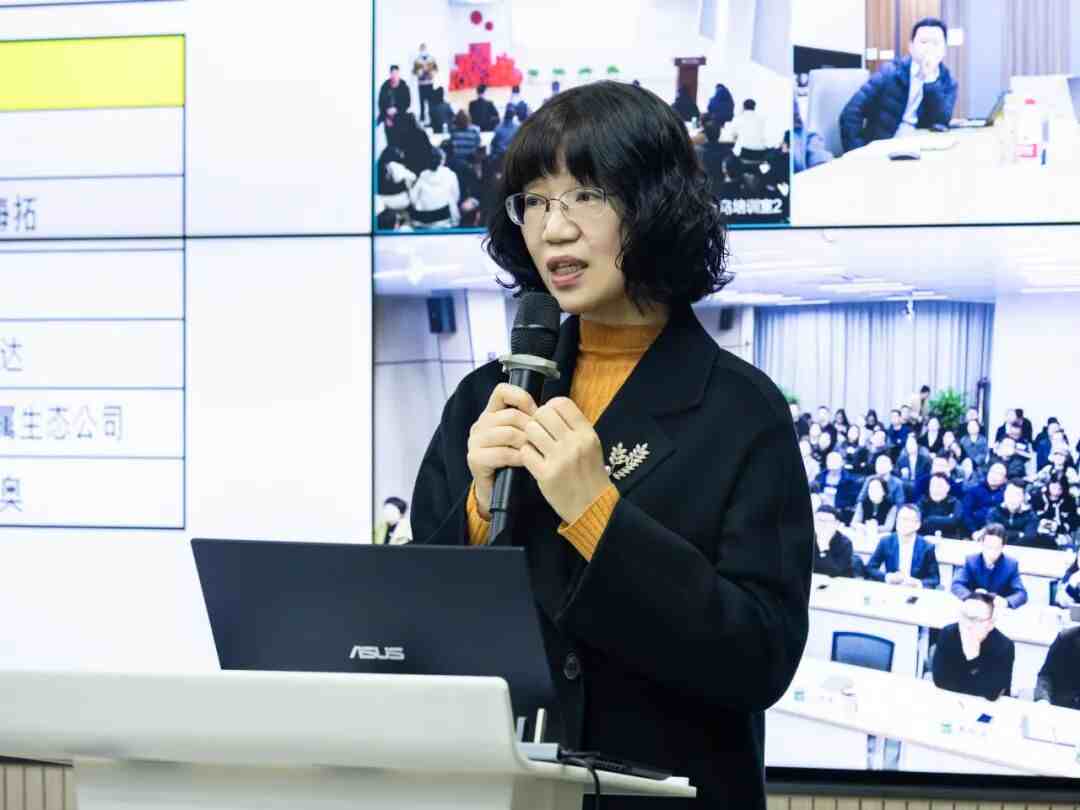
From the empowerment practices presented in this report, several core directions of the Group's functional middle office efforts can be clearly identified: First, in the areas of finance and compliance, the Finance Department has achieved a substantial reduction in financing costs by coordinating bank credit resources, establishing an intelligent exchange rate early-warning mechanism, accurately interpreting new tax policies, and efficiently supporting cross-border fund collection. This has also helped ecosystem enterprises reduce costs, increase efficiency, achieve controllable risks, and create shared value. Second, in logistics cost control and risk management closed-loop, the Documentation, Risk Control, and Logistics & Warehousing Departments have meticulously managed shipping costs, developed customized shipping plans for different product categories, advanced credit insurance fraud identification, and proactively integrated legal and compliance considerations, building a multi-dimensional safety barrier covering customer credit, contract terms, and intellectual property. Third, in talent and organizational activation, the Human Resources Department, through a full-cycle system of "attracting, retaining, developing, and managing" talent, and using the frameworks of strategic maps, organizational maps, and talent maps, has promoted the building of high-performance teams, conducted project-based training for over 3,000 participants, and facilitated a transition from individual growth to enhanced organizational effectiveness, thereby supporting business development. Fourth, in administrative resources and brand image, the Comprehensive Administration Department has made systematic efforts in areas such as Canton Fair special projects, visual design efficiency improvements, express cost reduction, fiscal subsidies, cultural promotion, and exhibition hall construction, continuously and precisely assisting in improving business quality and efficiency and enhancing the Group's brand image. Fifth, in market insight and global resource coordination, the Market Research Department, Supply Chain Development Department, and Globalization Operation Center have provided support for strategic client development, overseas localization exploration, and ecosystem business expansion through industry research, product analysis, customer tracking, and resource integration via overseas representative offices. Sixth, in digital intelligence applications and private traffic acquisition, the Digital Technology Department, through its self-developed AIGC platform, SEO/GEO traffic optimization, and full-cycle independent website management, has empowered the business front end to achieve leaps in customer acquisition efficiency and content quality. The application of AI tools has significantly improved the efficiency of multilingual translation and social media content creation. Consequently, the functional middle office is transforming from a traditional "cost center" to a "value center." Its output is not merely processes and services, but also the driving force for growth, the bottom line for security, and the warmth of corporate culture.
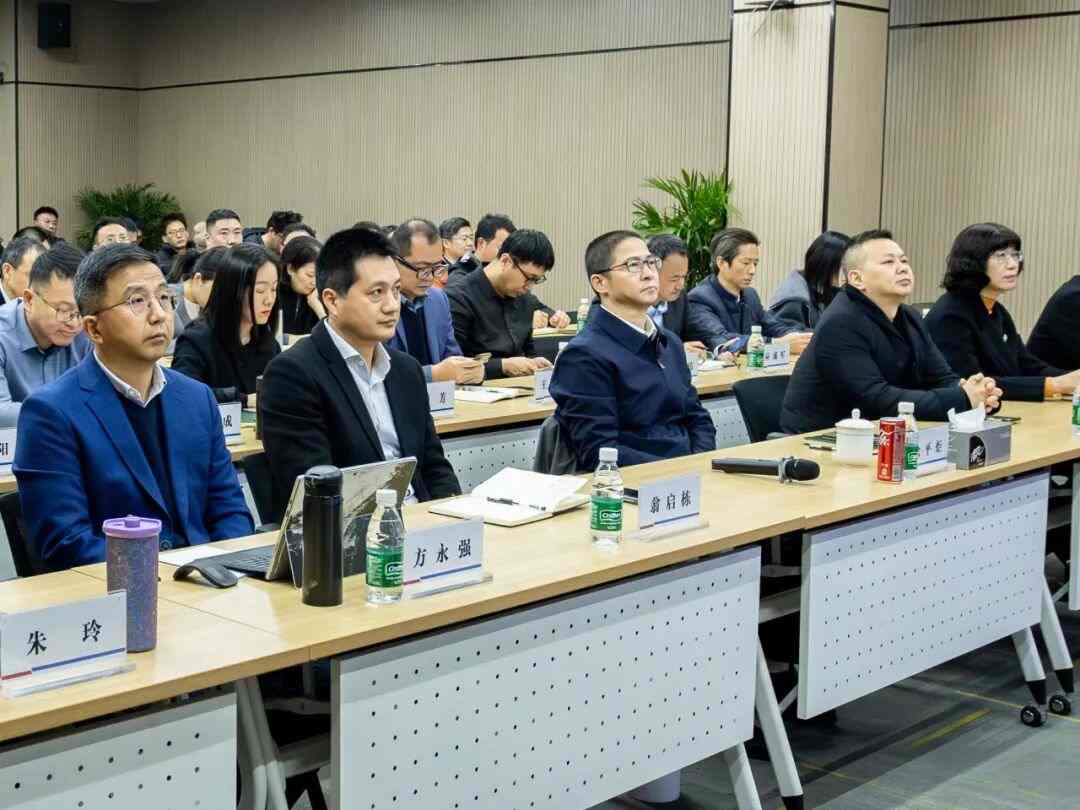
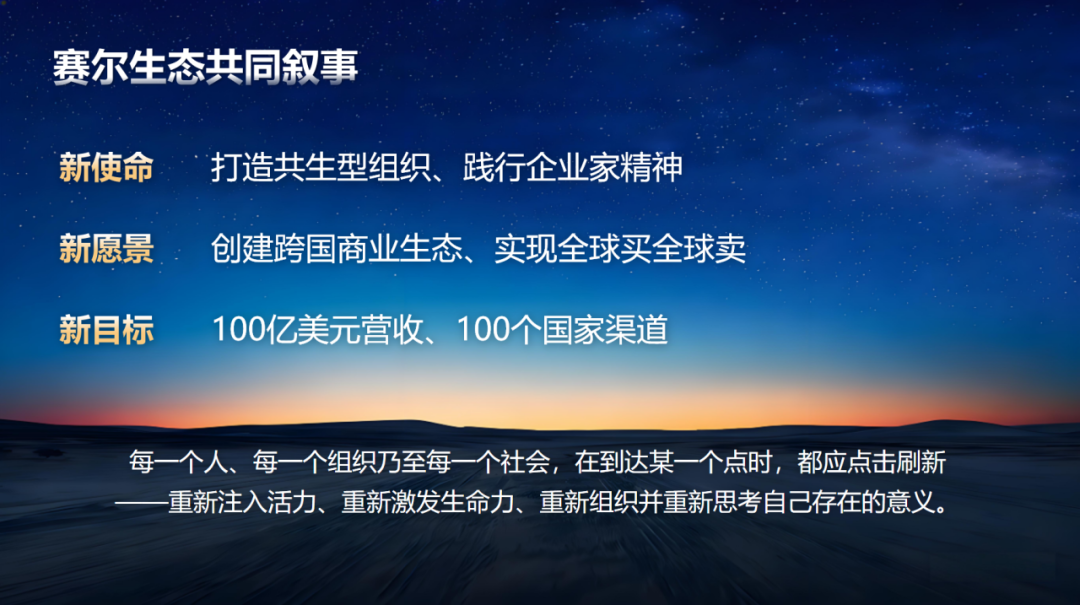
Looking ahead, the empowerment work of the functional middle office will further focus on "professionalism, forward-thinking, digital intelligence, and ecosystem orientation," continuously serving as the most solid empowerment foundation across Sellers Union's "three tracks." With professional capabilities escorting business expeditions and a collaborative spirit cohesioning ecosystem synergy, we will jointly advance towards a new stage of high-quality development for the Group.
Latest News
-
2026-09-01
27 Years of Deep Roots, A New Chapter in Yiwu
-
2026-08-24
Standing with Frontline Workers Through the Summer Heat
-
2026-07-22
Sellers Union Group Honored at Yiwu Global Business Blood Donation Day
-
2026-06-04
Sellers Union Group Unveils New Corporate Culture Exhibition Hall
-
2026-05-31
Sellers Union Group Representatives Visit the Ningbo Global Export Trade Fair